If you and your community are looking to purchase long distance medical ambulance or upgrade what you currently have in your fleet, you will want to look at several different factors in the process. You will want to evaluate what types of medical transports your community is requiring, how many medical transports your community requires, what types of weather the medical transports will have to drive through, the current amount you have to spend on these vehicles, and the companies that offer rare medical transports, such as an ambulance airplane.

Each of these factors is important during the consideration process and offer benefits that could result in saving a person’s life. You will also want to look at the long-term effects of upgrading your medical transports. Upgrading your medical transports could very well increase the number of members that reside in your community and the number of new jobs available to those residents in the medical field.
What Are The Benefits of Medical Transports?
When you are considering to purchasing medical transports for your community or looking to add more medical transports, there are many benefits for doing so. The first major benefit is the medical transports will be equipped with the latest life-saving equipment. Having the latest life-saving equipment in the medical transports will help the first respondents diagnose and treat the condition to the best of their ability on the way to a medical facility.
Another major benefit for purchasing medical transports is it creates a safer environment to live in the community. More medical transports mean your first respondents will have the ability to get to the scene of the emergency without worry of not having enough vehicles. This will also help the community be rated a much safer place to live. If your community is rated a safe place to live it will help with the real estate market.
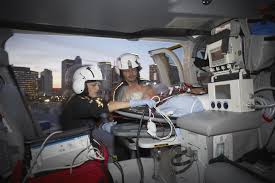 And finally, another major benefit of adding more medical transports to your community is it could create more jobs. With an increase in your medical transport fleet, this would require first respondents on staff, emergency medical service operators, and so on. With more staff on board, this will also help ensure when a call comes in, they can get to the situation immediately. More staff will also help keep more families in the community living comfortably in the area. More jobs created will also help attract new families to your community to settle down for long periods of time.
Where Can A Medical Transport Be Purchased?
Medical transports can be purchased through any medical specialty company or contractor that can provide the vehicles up to code. The company you purchase the medical transport vehicles from do not have to be local, they can be located all over the country or overseas. You can easily access their websites online to find the product that suits your needs or you can meet with a sales representative for the company to show you specifications on the vehicles. If you research the vehicle through the company’s website or meet with a company sales representative, you always have the option to call the company to ask further questions during their hours of business. Once you find a medical transport that will suit the needs of your community, that is when you can draw up a contract with the company.